



Write, write, write, write, write. If you’re alone, write while the kettle boils. On a bus or train, write some more. Coffee, lunch or tea break, write something else. The only way to become a...

There are many books out there about plot. I won’t tell you which ones to read because it all depends on what you want to write. They will talk about protagonist and antagonist. They will talk...
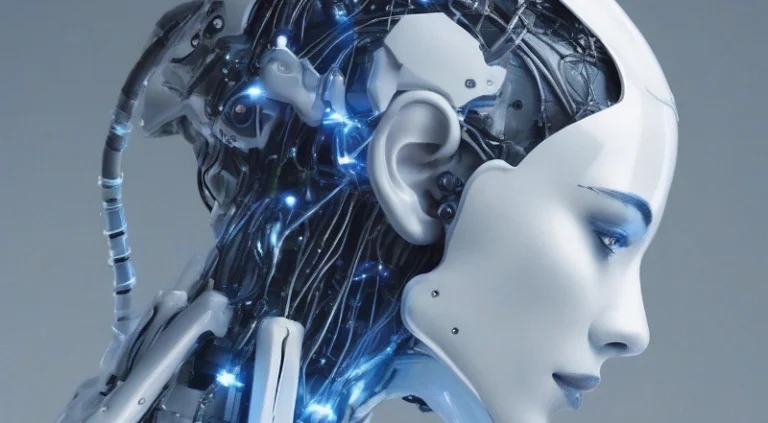
For me the big question concerning AI and writing is ‘why’? I can understand, sort of, the use of AI for research. The results are potentially accurate assuming the algorithm has...
There’s an easy answer – anywhere you like. Sadly inspiration doesn’t come to us neatly packaged. We can’t open a box and find a set of instructions that will turn out to be a...

While we are encouraged to ‘show, don’t tell’ and build pace and mood into our dialogue, sometimes there is just insufficient action and dialogue to satisfy the requirements. The...
Of course, you can’t. Description gives a situation context. It locates your characters and story in a time and place. If you want it can describe the mood, what those characters are wearing, how they...

Unless you have the most massive ego, you will inevitably be displeased by some things you write, especially early in your apprenticeship. The first law of ‘Write Club’ (I honestly...